Astronomy Pics
Nebulae
“Nebula” originated as a broad term for describing things in the night sky that did not look like stars to early astronomers. Today, it is more commonly used to refer to luminous clouds of gas. All of the pictures in this section fall under the latter definition.
The gas in these nebulae glow from ionizing radiation emitted by stars recently born or deceased within these nebulae. We call the first group stellar nurseries. The gas is in these structures is compacting to form new stars. The second group are called planetary nebulae (a complete misnomer…). In these structures, the gas we see is the shed outer layers of a star which recently collapsed into a white dwarf.
In these nebulae, colors represent distinct gases, which emit specific wavelengths of light when bombarded with ionizing radiation. I do not keep the color scheme consistent between images, so bear with me here. The most prominent gas here is Hydrogen (HII), which I generally present as a warmer color (pink in the Bubble Nebula, yellow in the Butterfly Nebula). The second most common element you will see is Oxygen (OIII), which I represent with cooler colors (somewhere between purple and green/blue).
All targets in this category are within the Milky Way. These nebulae all fall within a few 1000 light-years of us. For reference, the Milky Way is ~100,000 ly in diameter and ~1000 ly thick.
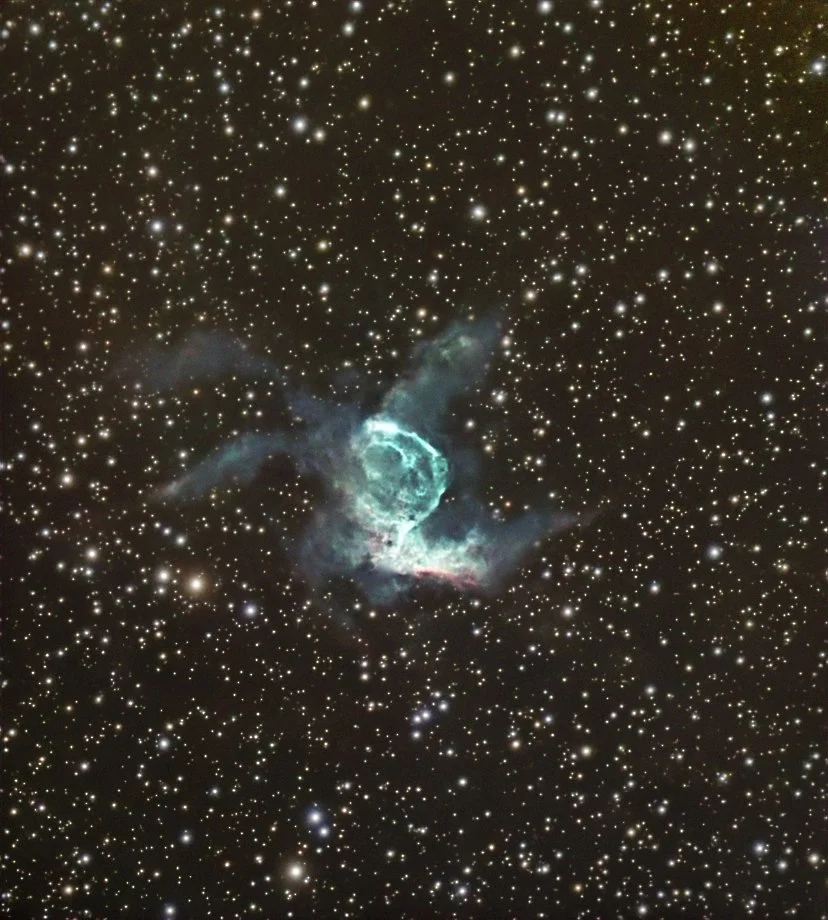
NGC 2359 (Thor's Helmet)
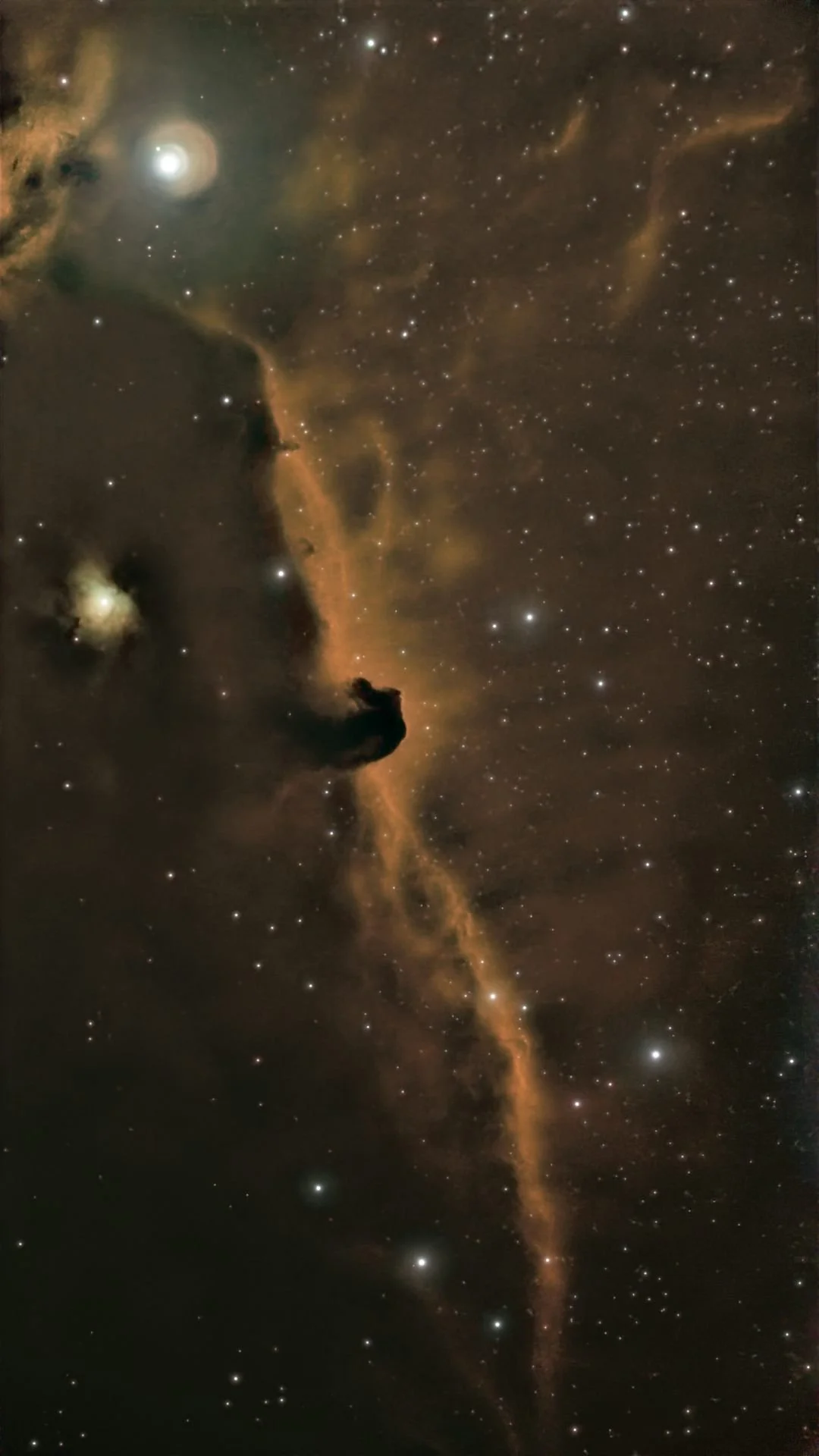
IC 434 (Horsehead Nebula)
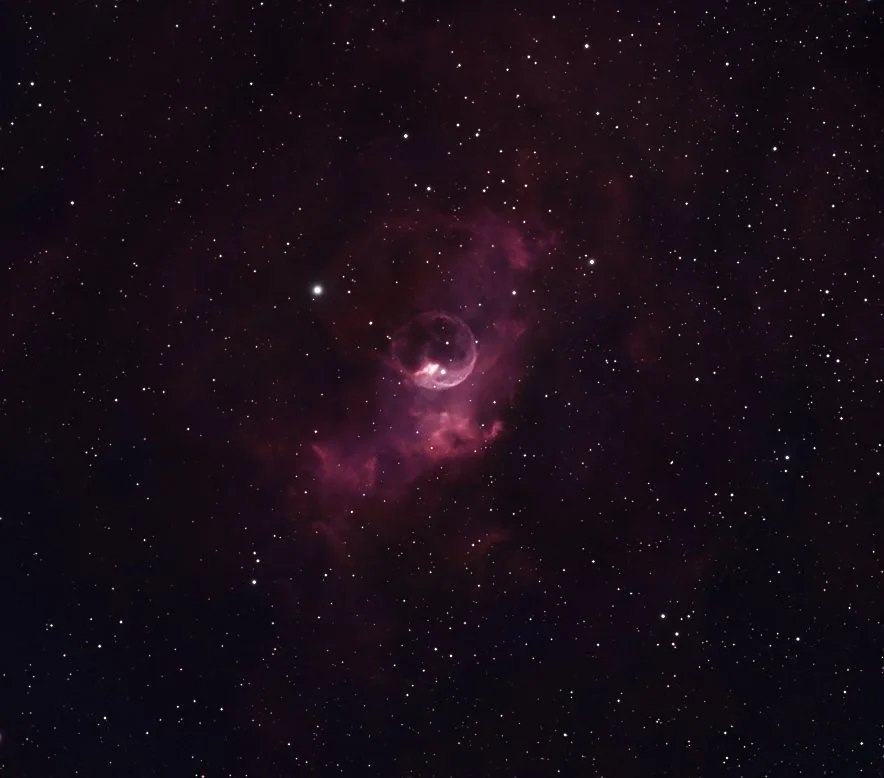
NGC 7635 (Bubble Nebula)
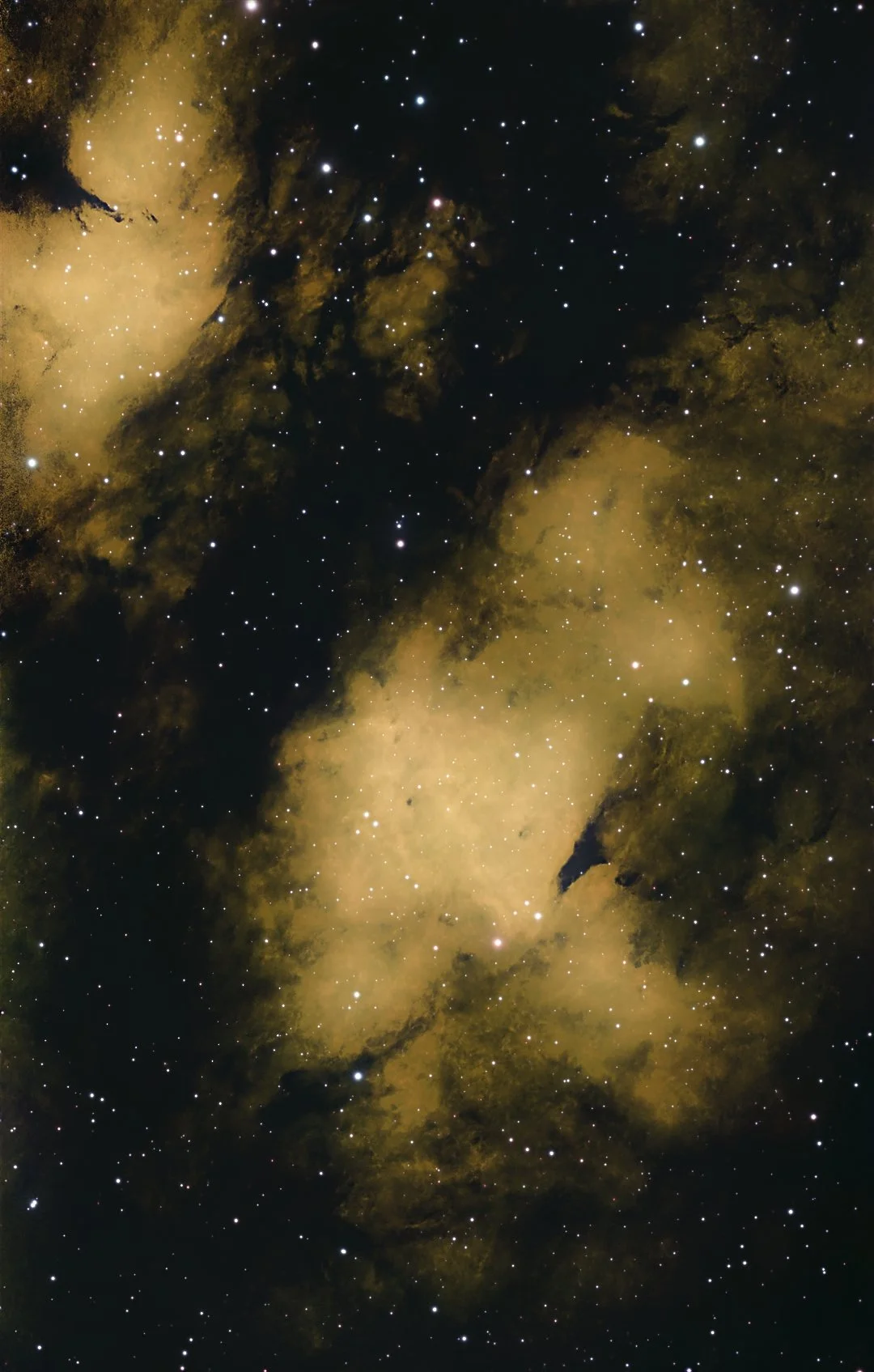
IC 1318 (Butterfly Nebula)
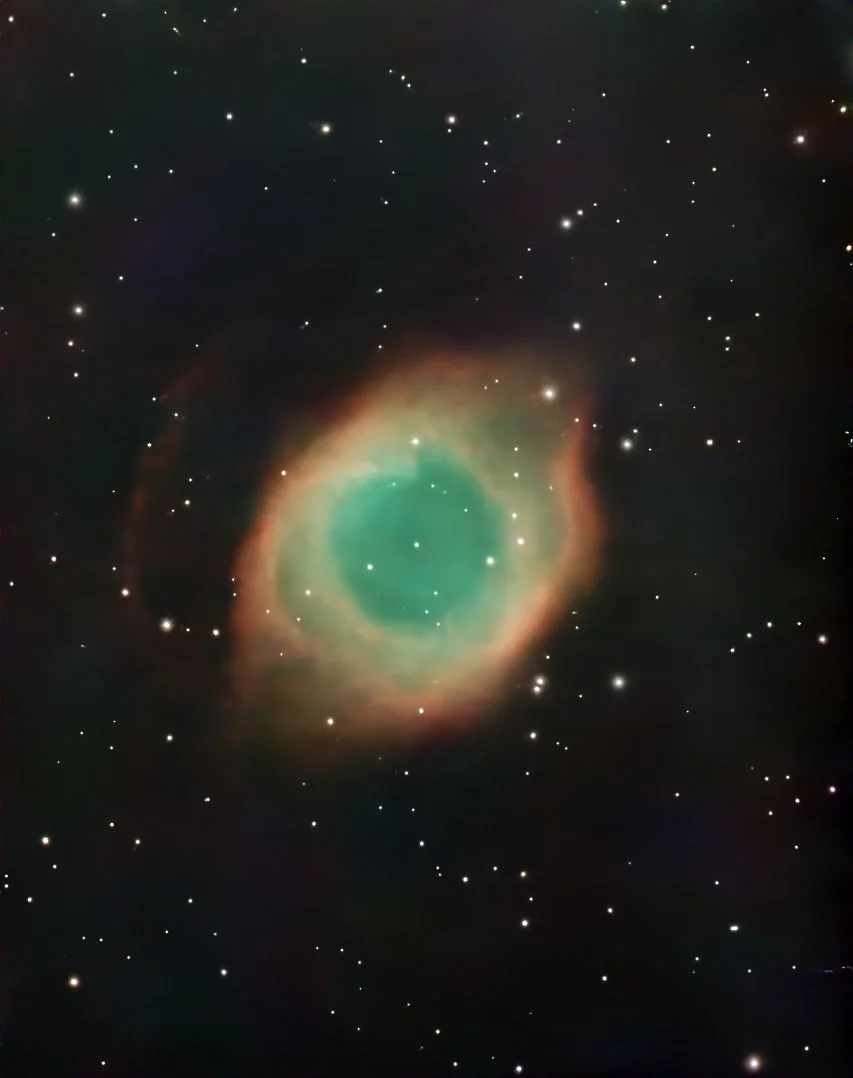
NGC 7293 (Helix Nebula)
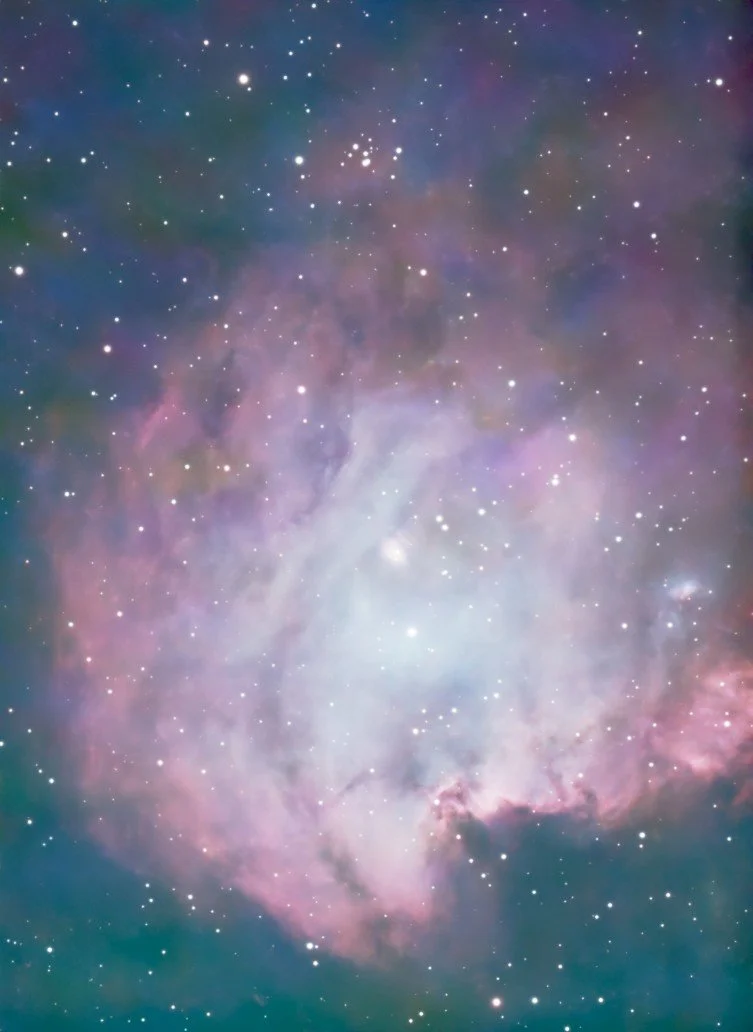
NGC 2174 (Monkey Head Nebula)
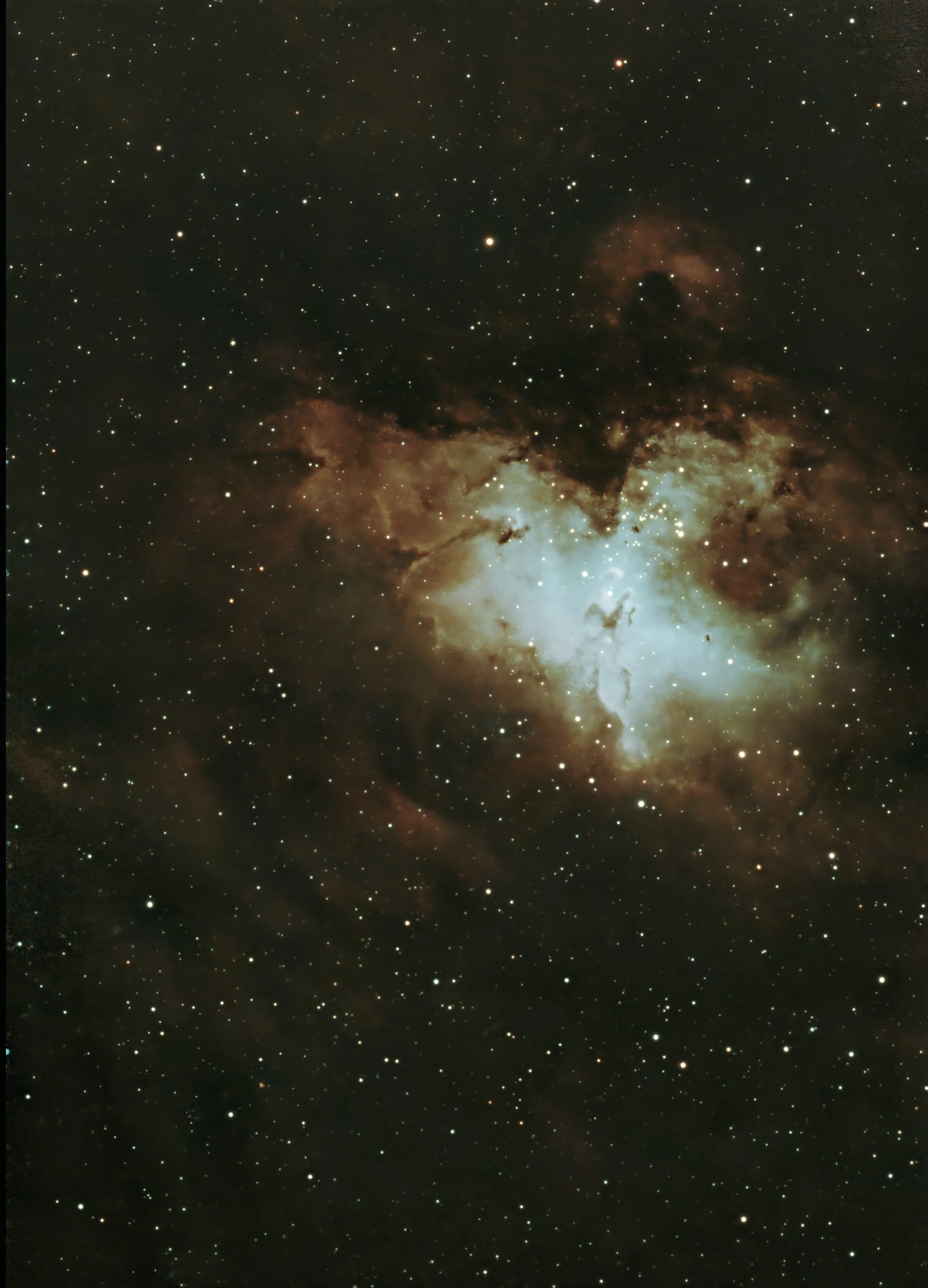
M16 (Eagle Nebula + Pillars of Creation)
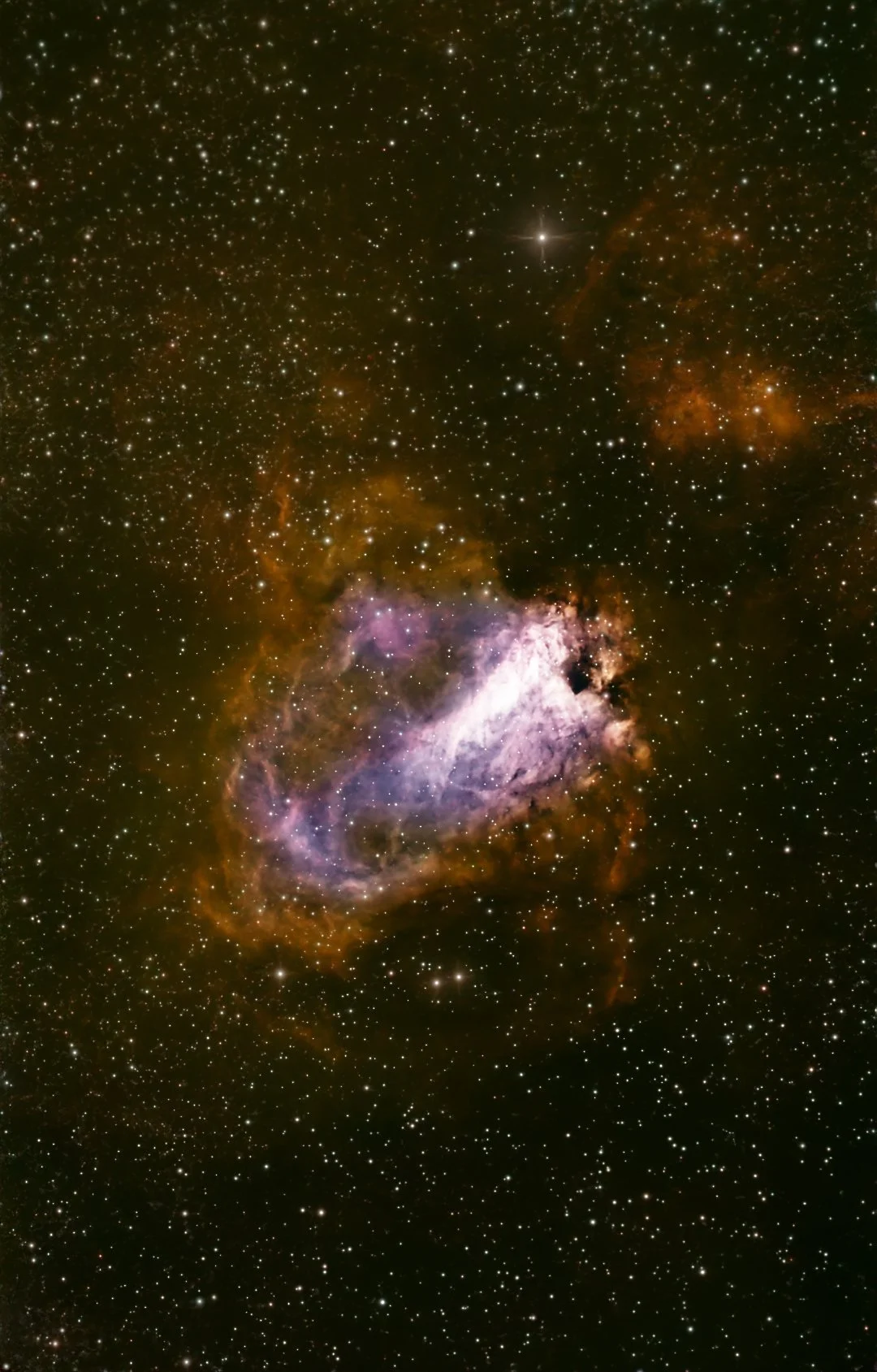
M17 (Swan Nebula)
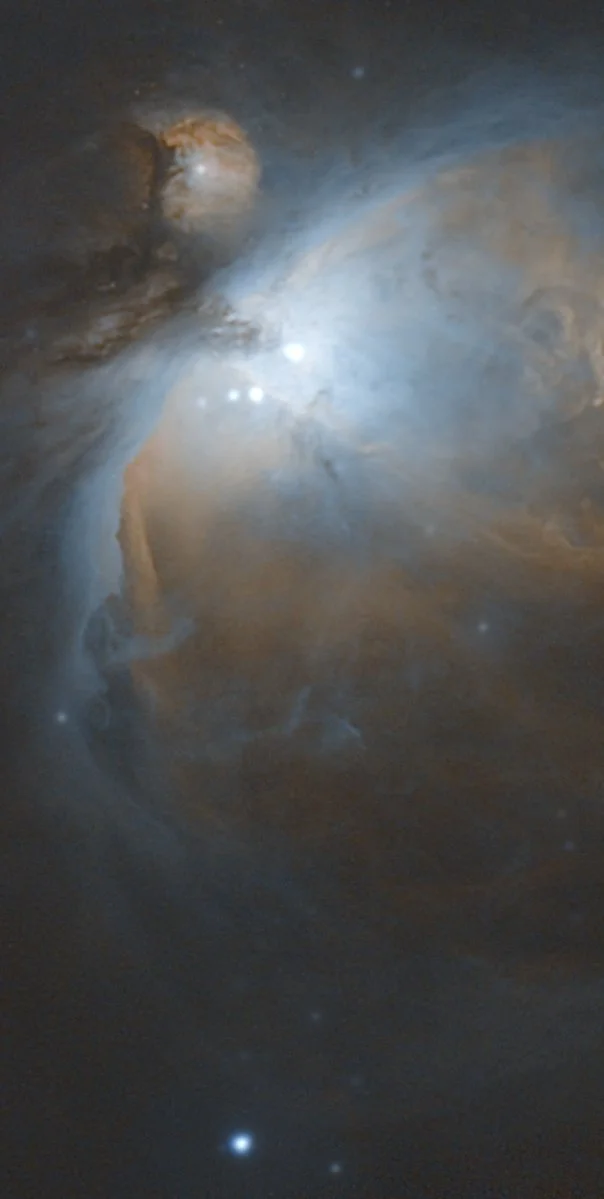
M42 (Orion Nebula)
Galaxies
All the galaxies I have shot so far have some kind of spiral structure…this is just because I think they look cool. In the images below, you’ll find some kind of spiral arm structure (usually blue) along with a central bulge (generally yellow / warm). The spiral arms are typically blue because we are primarily able to see the biggest & brightest stars in distant structures. Big stars burn hot, and like the hottest part of the fire on your stove, they appear blue! The centers of galaxies contain older stellar populations which burn as warmer colors; there are also extinction effects due to dust which allow more warm colors to reach us.
I do not have a dedicated HII filter, but in higher quality pictures of other galaxies (try Andromeda), you’ll be able to see bright pink HII regions. These are stellar nurseries of the same kind I’ve imaged above! A telescope upgrade is in order before I can get HII to show up in my galaxy shots. The exception is in M82 (Cigar Galaxy) which is young and undergoing massive amounts of star formation. You’ll be able to spot some faint HII pinkness above/below M82 in my image (you may have to click to get the higher quality image, website doesn’t support .tiff files).
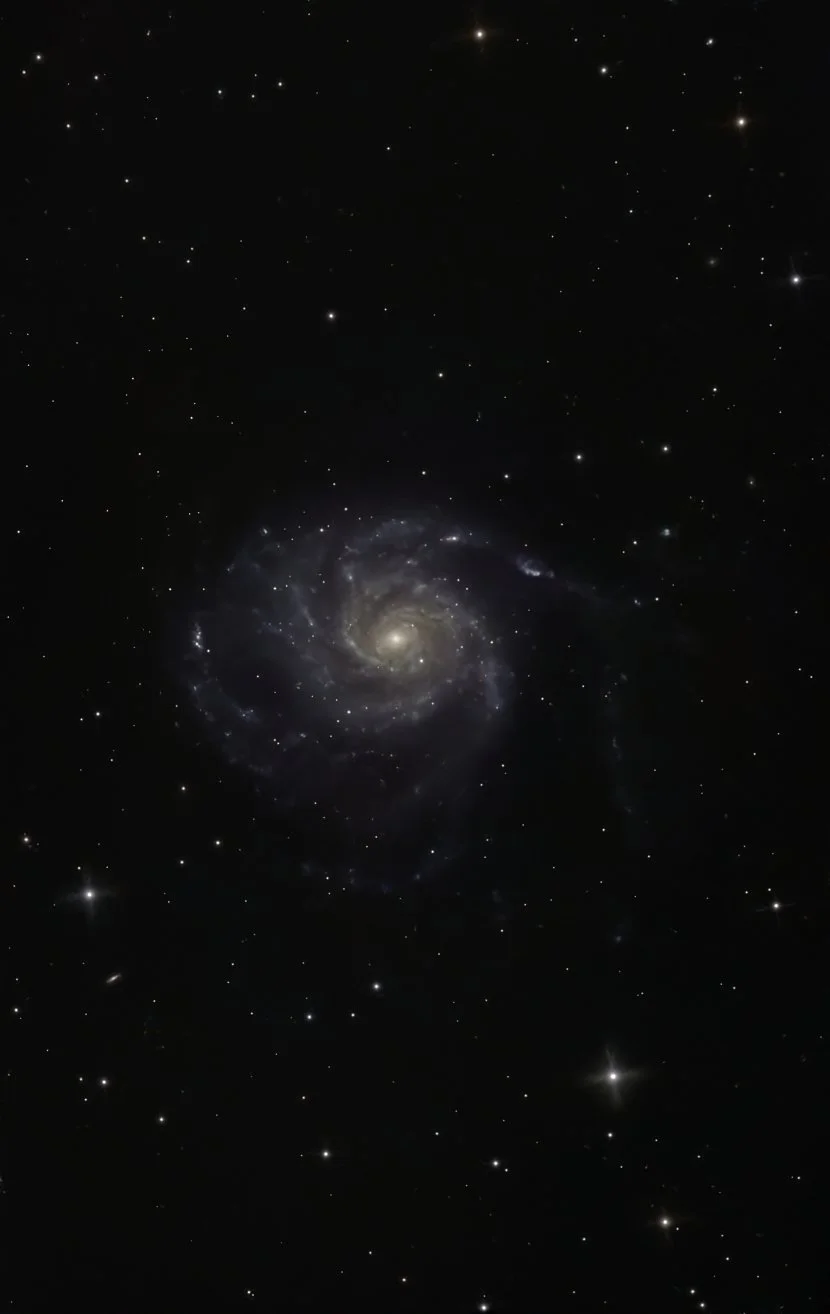
M101 (Pinwheel Galaxy)
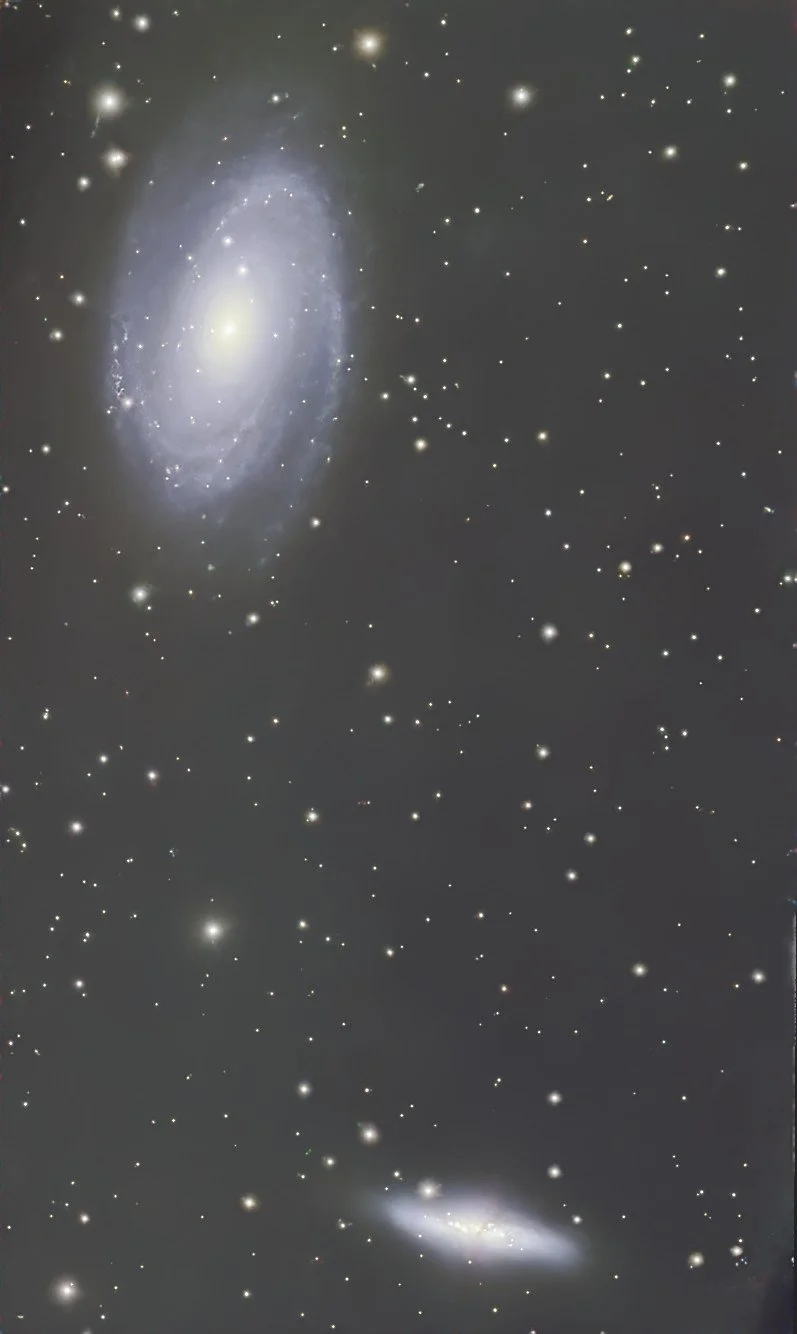
M81 (Bode's Galaxy) + M82 (Cigar Galaxy)
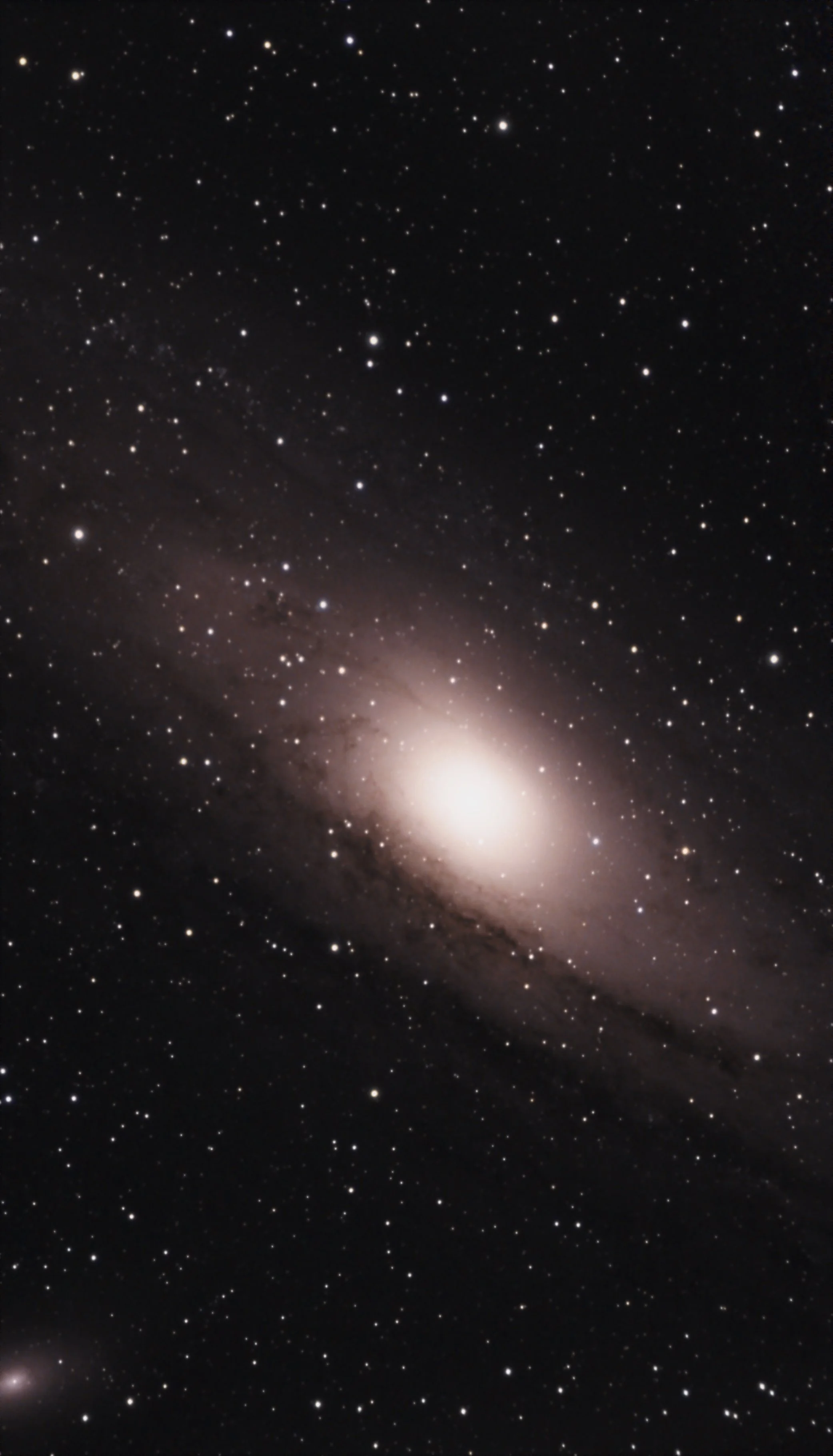
M32 (Andromeda Galaxy)
Stars + Globular Clusters
These photos feature named stars or clusters of stars. Most will have prominent diffraction patterns (the bars of light coming from the brightest stars in each image). The most prominent diffraction features usually come from light bending around the contraption holding up the secondary mirror of the telescope. My telescope is a refractor, so I’ve put a mask over the aperture to create them for purely cosmetic purposes.
Eventually, I would like to try printing some custom diffraction masks to try to recreate famous patterns from large observatories.
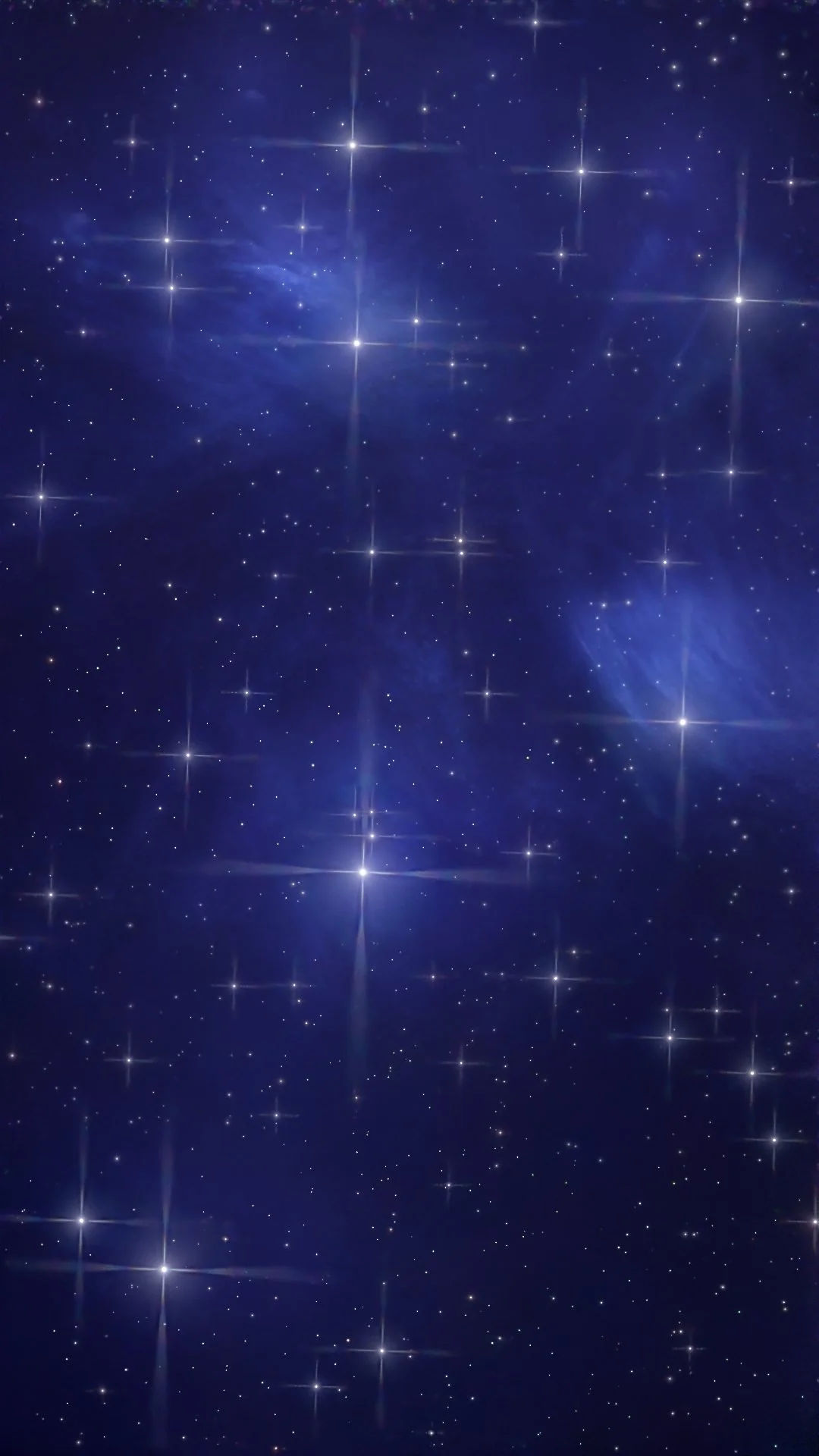
The Pleiades
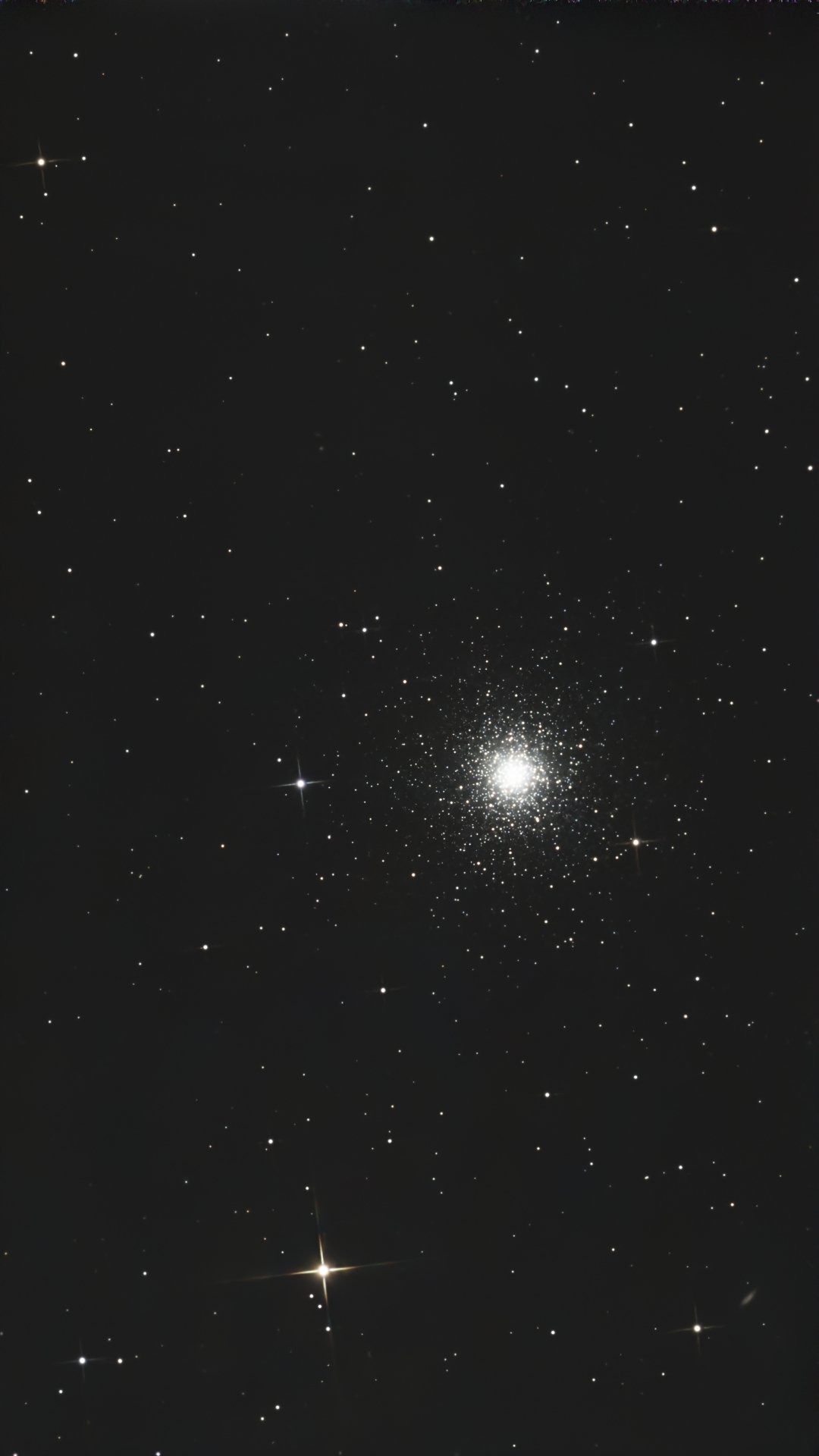
M3
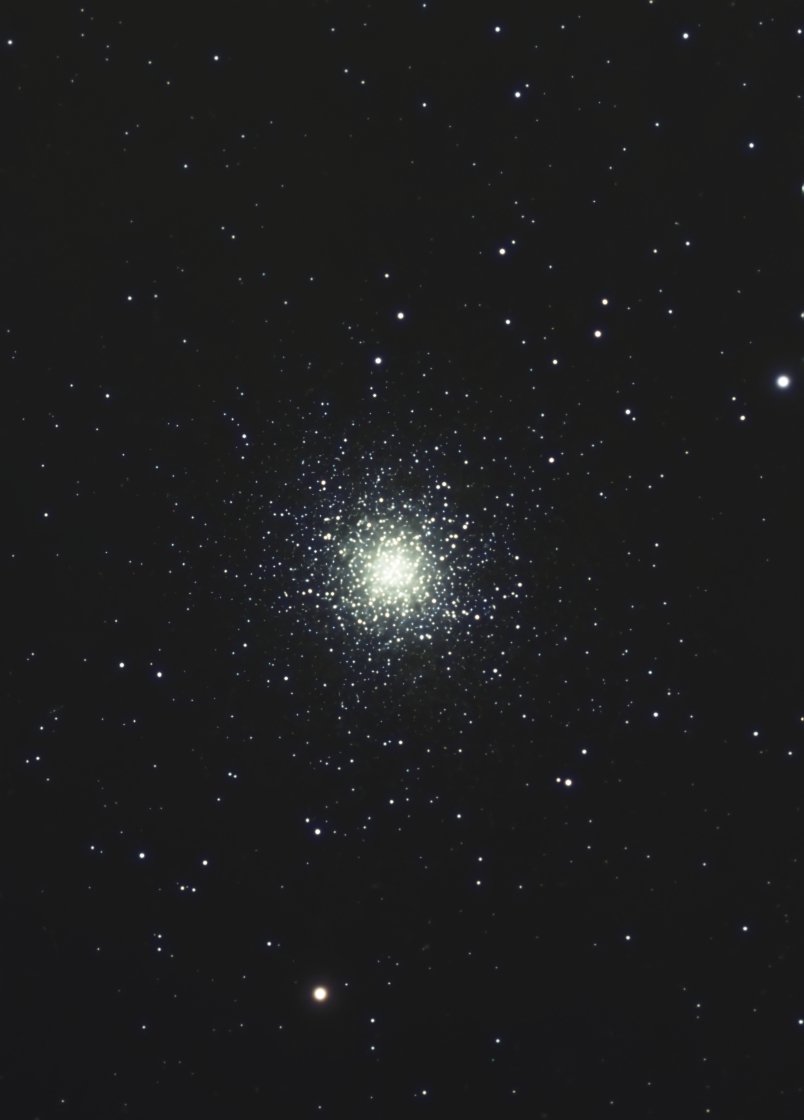
M13 (Great Hercules Cluster)
Moon
The moon is a fun target because small features can be resolved spatially by even my small telescope. There are also plenty of short time events to image, such as lunar eclipses that turn the moon bright red, or transits which put interesting secondary targets near or in front of the moon.
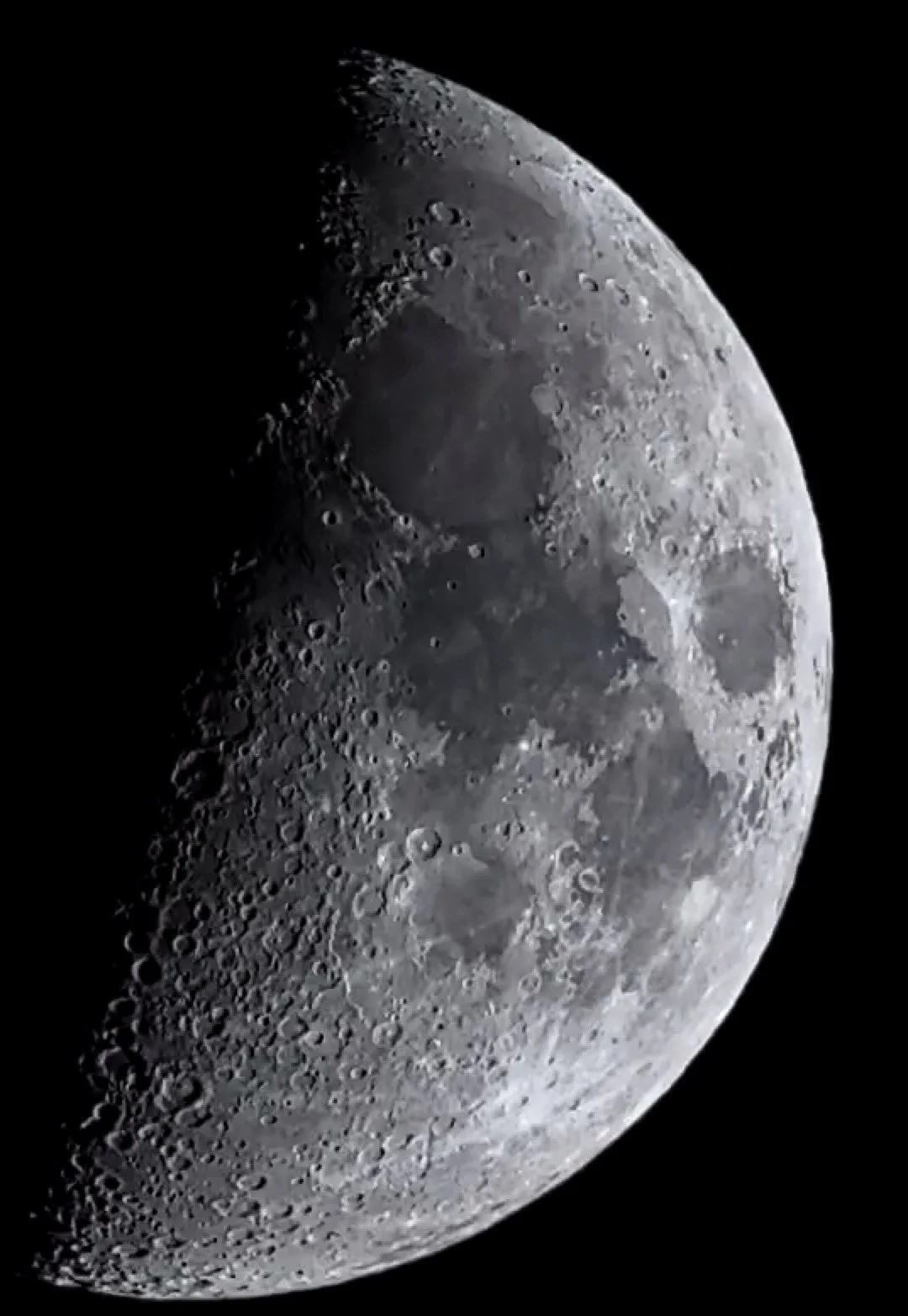
Quarter Moon
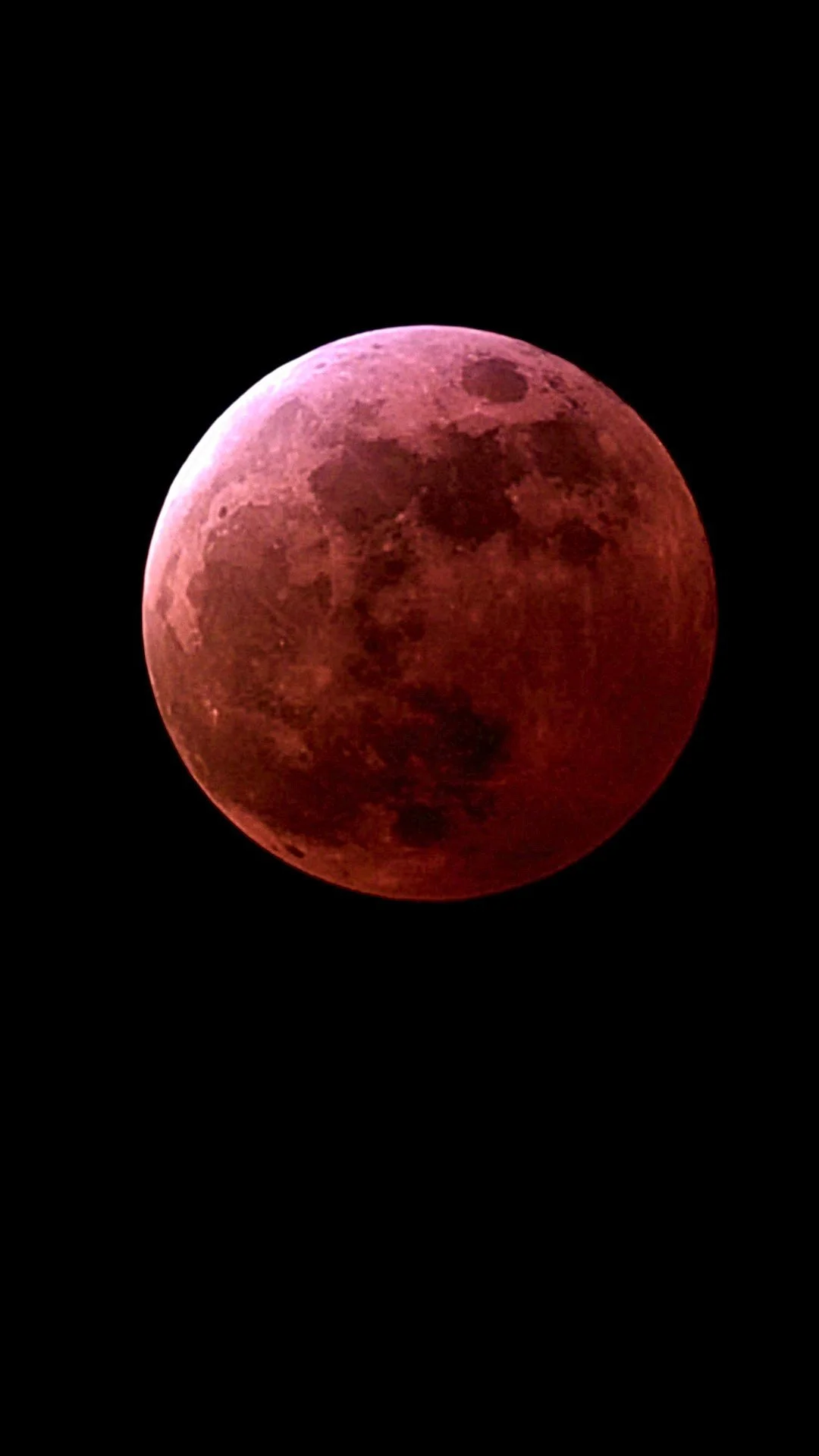
Total Lunar Eclipse
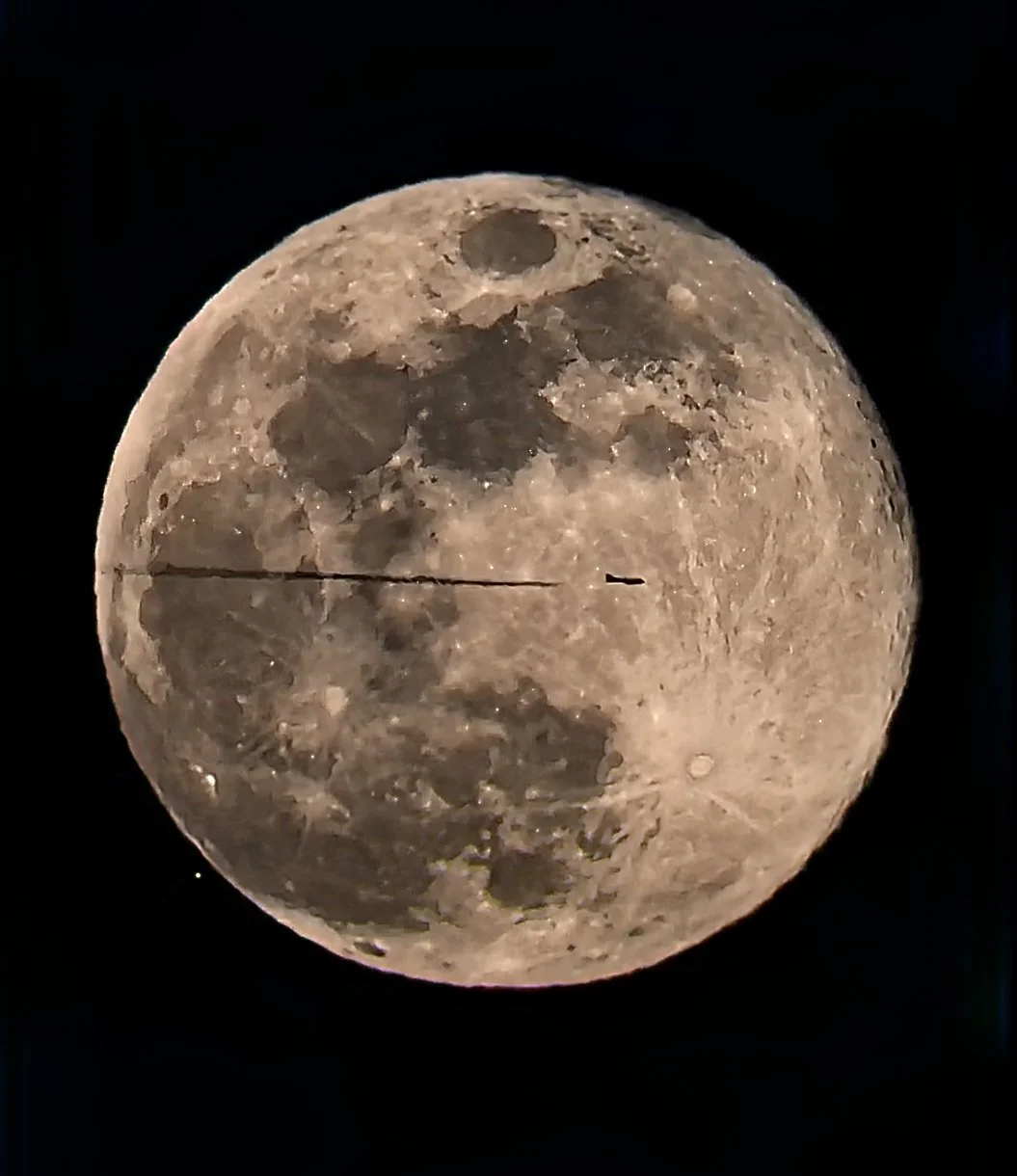
Mars (bottom left) + Plane Crossing the Full Moon